Facial plastics and aesthetics
Botox is a brand name for a botulinum toxin treatment that temporarily relaxes selected facial muscles to soften expression lines. Dr. Mohammad BuAbbas assesses your face and your goals and explains what the treatment can and cannot do.
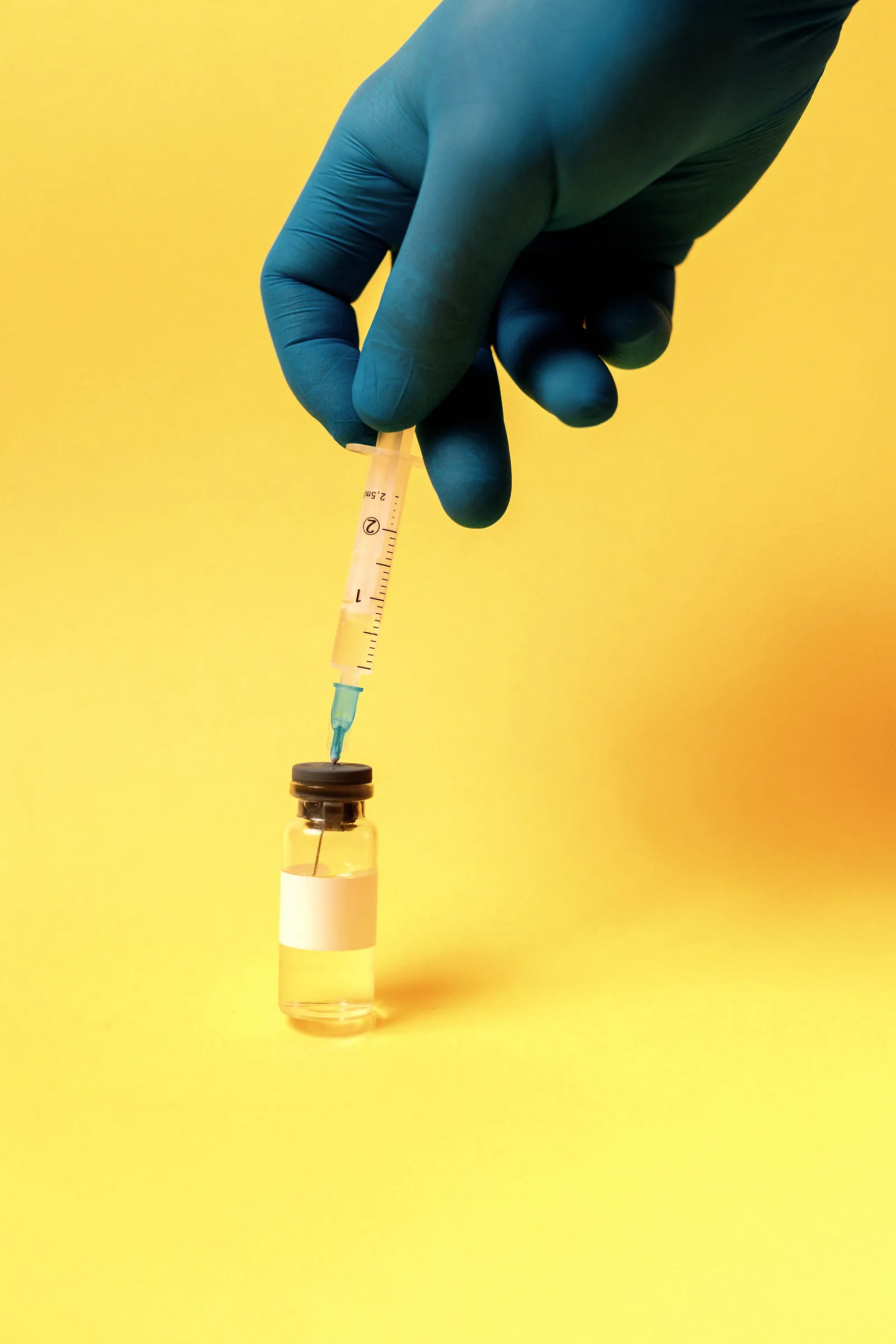
Botoxin Kuwait
Botox
What is Botox?
Botulinum toxin type A is a prescription medicine. In aesthetic use, very small amounts are injected into specific muscles, such as those that create lines on the forehead, between the eyebrows and around the eyes. The medicine reduces the activity of those muscles, so lines linked to repeated movement soften.
The effect is temporary. It builds over the days after treatment and fades over several months, which is why treatment is repeated if you wish to maintain it. Botox is one brand name, and other botulinum toxin products exist.
This page is general information, not personal medical advice. Results vary from person to person, and the risks that apply to you are discussed at consultation.
What to expect
- Adults who would like to soften lines on the forehead, between the eyebrows or around the eyes.
- People who understand that the effect is temporary and that treatment would need to be repeated.
- Treatment may be postponed or avoided in pregnancy or breastfeeding, with some nerve and muscle conditions, with an allergy to the product, or with a skin infection at the injection site. These points are checked at consultation.
Before any treatment, the consultation usually covers:
- Which lines bother you and what you would like to achieve.
- Your medical history, your medicines and any previous cosmetic treatments.
- An examination of how the muscles of your face move when you make expressions.
- The approach to dosing and the aim of keeping natural expression, with the possible side effects.
Treatment is brief and does not usually need a general anaesthetic. After the skin is cleaned, tiny injections are placed at the agreed points. A numbing cream or cooling may be used for comfort, and you can ask questions at any point.
There is usually little or no downtime, and many people return to everyday activities soon afterwards. Small marks or redness at the injection points settle quickly. The effect builds gradually over the following days. You are given aftercare instructions, which commonly include not rubbing or pressing the treated area and avoiding strenuous exercise for a short period. A review visit may be arranged to check the result.
Common effects, usually temporary, include bruising, tenderness, headache and small bumps at the injection points. Less commonly, the product affects a nearby muscle and causes, for example, a drooping eyelid or brow, uneven expression or a heavy feeling, which fades as the effect wears off. Allergic reactions are rare. Knowledge of facial anatomy and careful planning reduce the chance of unwanted effects.
Dr. BuAbbas discusses the risks that apply to you at consultation, before you decide.
Botox
Frequently asked questions
How long does Botox last?
The effect fades over several months. The exact time varies from person to person, with the area treated and with the dose. Treatment can be repeated at intervals discussed with you.
Will my face look frozen?
The aim is to soften lines while keeping natural expression. That depends on the dose, the choice of muscles and the points treated. Doses are individual, and starting conservatively is a common approach.
Is Botox safe?
Botulinum toxin is a prescription medicine used for cosmetic and medical purposes, and it is generally well tolerated when given by a trained doctor in appropriate doses. Like any treatment it has possible side effects, which are explained at consultation.
Does the treatment hurt?
The injections use very fine needles, and discomfort is usually brief. A numbing cream or cooling can be used. How much discomfort a person feels varies.
Who should not have Botox?
Pregnancy, breastfeeding, some nerve and muscle conditions, an allergy to the product and a skin infection where the injection would be given are usual reasons to wait or to avoid treatment. Tell Dr. BuAbbas about all your medicines and health conditions.
When will I see the effect, and can I return to work?
The effect builds gradually over the days after treatment. Most people can resume everyday activities straight afterwards, following the aftercare instructions they are given.
Related pages
Considering Botox?
Request a consultation to discuss your goals and whether the treatment suits you, or message on WhatsApp with a short question.