Facial plastics and aesthetics
Rhinoplasty reshapes the nose to change its appearance, improve breathing, or both. Dr. Mohammad BuAbbas, a consultant otolaryngologist and head and neck surgeon, assesses each nose individually and explains the options, limits and risks before any decision.
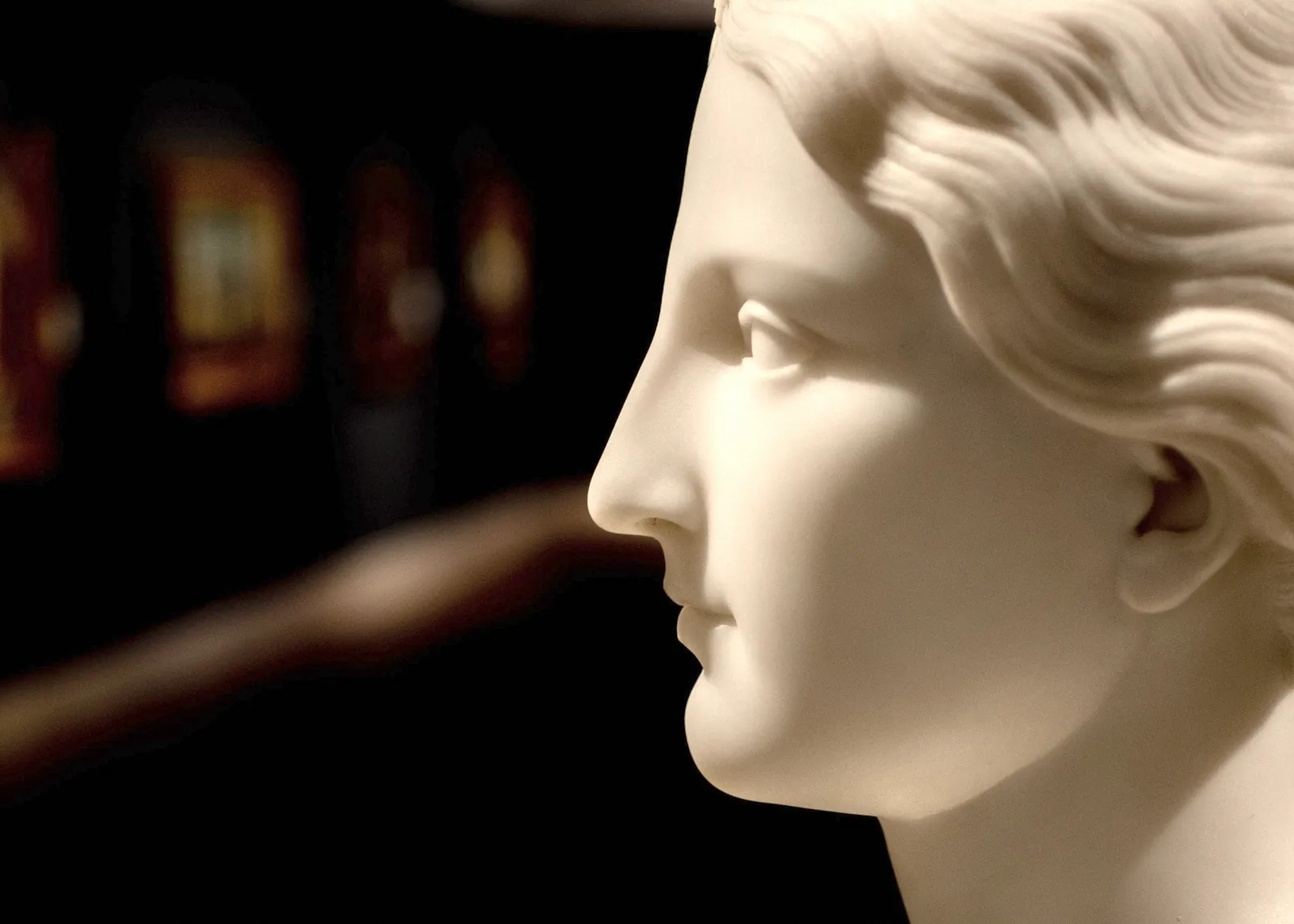
Rhinoplastyin Kuwait
Rhinoplasty
What is rhinoplasty?
Rhinoplasty is surgery on the bone, cartilage and skin of the nose. It can change the size, shape or proportions of the nose and, because the nose is also the entrance to the airway, it can be planned to address breathing problems at the same time. When the internal wall of the nose, the septum, is corrected in the same operation, the procedure is sometimes called septorhinoplasty.
Surgeons describe two main approaches, often called open and closed. The choice depends on what needs to be changed and is discussed at consultation.
This page is general information, not personal medical advice. Results vary from person to person, and the risks that apply to you are discussed at consultation.
What to expect
- Adults who are bothered by the shape or proportions of the nose.
- People with a blocked nose or breathing difficulty linked to the structure of the nose.
- People whose facial growth is complete, who are in good general health and who have realistic expectations.
- Rhinoplasty does not suit everyone. Suitability is decided after a review of your history and an examination.
The consultation begins with listening to your concern. It usually covers:
- What bothers you and what you would like to change.
- Your medical history, any previous nasal surgery or injury, your medicines and allergies.
- An examination of the outside of the nose and of the airway inside it.
- Photographs for your medical record, taken with your consent.
- What is realistically possible, the options, the risks and the alternatives, including not having surgery.
Rhinoplasty is generally performed under general anaesthesia in a hospital, and the anaesthetic and the setting are confirmed at consultation. The surgery is carried out through incisions inside the nose, or through a small incision across the skin between the nostrils, depending on the approach. Cartilage and bone are reshaped or repositioned, and the skin and soft tissue then settle over the new framework. The time needed depends on what is being done. A splint or support is usually placed on the nose at the end.
Instructions about fasting, medicines and what to bring are given beforehand.
Recovery is gradual. Swelling and some bruising around the nose and eyes are common early on, and the nose may feel blocked for a time. A splint or support protects the nose in the first period, and follow-up visits are arranged to check healing. Strenuous activity, contact sports and anything that could knock the nose are avoided until you are told it is safe. Instructions about nose care, sleeping position and medicines are given for your situation.
Much of the early swelling and bruising settles gradually, but fine swelling, especially at the tip of the nose, can take many months to resolve. The final shape therefore cannot be judged until many months have passed.
All surgery carries risk. Those linked to rhinoplasty include bleeding, infection, reactions to anaesthesia, changes in breathing or sense of smell, scarring, numbness, results that differ from what was planned, asymmetry, and in some people a need for further surgery. Smoking and some medicines can affect healing.
Dr. BuAbbas discusses the risks that apply to you at consultation, before you decide.
Rhinoplasty
Frequently asked questions
Can rhinoplasty help with breathing?
It can, when a blocked nose is related to the structure of the nose. The cause of the blockage is assessed first, because it is sometimes the septum, the turbinates or the sinuses rather than the outer shape, and treatment is planned accordingly. Breathing may improve, but a particular result cannot be promised.
What is the difference between rhinoplasty and septoplasty?
Septoplasty straightens the septum, the wall that divides the two sides of the nose, to improve airflow, and it does not aim to change the shape of the nose. Rhinoplasty reshapes the outside of the nose. Some people have both procedures together.
Does rhinoplasty hurt?
Some discomfort, pressure and a blocked feeling are expected in the first days after surgery. Pain relief is prescribed, and the plan for it is explained before the operation. How much discomfort a person feels varies.
When will I see the final result?
Swelling settles gradually, and the final shape emerges slowly, with fine changes, especially at the tip, continuing for many months. Early appearance is therefore not a reliable guide to the end result.
What if I want a change after the operation?
Some people need or choose further surgery after rhinoplasty. A revision is generally considered once healing is complete and is discussed individually, because it is often more complex than a first operation.
Who is not suited to rhinoplasty?
Surgery is usually delayed until facial growth is complete. It may also be postponed or avoided in people with certain health conditions, or when expectations cannot realistically be met. Smoking affects healing, so stopping is generally advised before surgery. This is decided individually at consultation.
Related pages
Consideringrhinoplasty?
Request a consultation to discuss your concerns and the options, or message on WhatsApp with a short question.